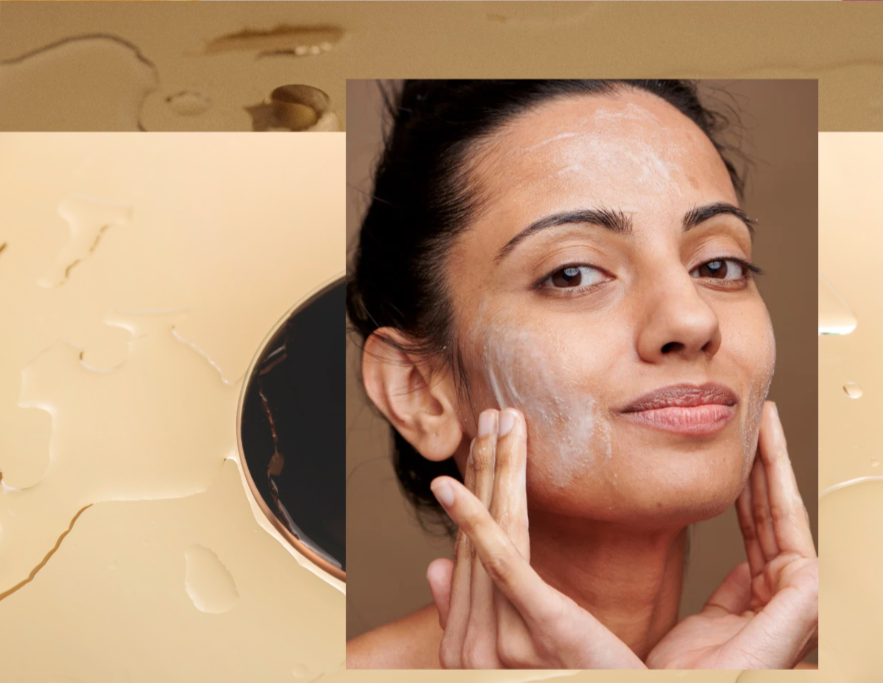

Niacinamide Explained: Skin Barrier Benefits, Ideal Percentages, and Common Mistakes
Niacinamide is everywhere in skincare, from basic moisturizers to concentrated serums. But what does it actually do for the skin barrier, and does a higher percentage mean better results? This guide looks at the evidence, explains where niacinamide fits in a routine, and helps you decide whether your skin needs it at all.
What Is Niacinamide?
Niacinamide is a form of vitamin B3 (nicotinamide), a water-soluble vitamin essential for cellular energy metabolism. In skin care, it functions as a barrier-supporting, anti-inflammatory ingredient that helps normalize how skin cells behave under stress.
Unlike exfoliating acids or retinoids, niacinamide does not work by accelerating cell turnover. Its value lies in regulation and repair, supporting the skin’s natural systems rather than overriding them.
How Niacinamide Works (Mechanism of Action)
Niacinamide influences several key skin processes simultaneously:
1. Barrier Support
Research suggests niacinamide can support the skin’s production of barrier lipids, including ceramides, and may help reduce transepidermal water loss (TEWL) in some formulations. These effects can contribute to better moisture retention, although results depend on the product and the individual.
2. Inflammation Modulation
It regulates inflammatory mediators in the skin, which is why it’s often helpful for redness-prone, acne-prone, or reactive skin types.
3. Sebum Regulation
Some studies suggest topical niacinamide may help reduce the appearance of oiliness in certain formulations. Results vary, and the evidence does not establish a universal effect on sebum production or a guaranteed benefit for every oily or combination skin type.
4. Pigment Transfer Reduction
It can reduce the transfer of melanin from melanocytes to keratinocytes, which helps improve the appearance of uneven skin tone over time. This is a gradual effect, not a bleaching mechanism.
Benefits of Niacinamide (When Used Correctly)
- Strengthens the skin barrier
- Improves hydration retention
- Reduces visible redness and blotchiness
- Helps balance oil production
- Supports more even-looking skin tone
- Improves tolerance to retinoids and exfoliants
Notably, niacinamide is supportive, not aggressive. Results are subtle, cumulative, and dependent on consistent use.
Ideal Niacinamide Percentages
Studies have examined niacinamide in a range of formulations, including products containing approximately 2–5%. The formula, the concern being treated, and individual tolerance matter alongside concentration. Higher percentages have not been shown consistently to deliver better results for everyone.
- Approximately 2–5%: concentrations studied for outcomes such as uneven tone and visible skin changes; benefits depend on the full formula and consistent use
- 5–10%: available in many products, but evidence does not establish that these strengths consistently work faster or better than lower ones
- Above 10%: not automatically more effective; if a product causes redness, burning, or stinging, stop using it and reassess
More is not better. Barrier supporting ingredients work best when they don’t overwhelm the skin.
Who Should Use Niacinamide?
Niacinamide is broadly suitable for:
- Oily or combination skin
- Acne-prone skin
- Barrier-impaired or dehydrated skin
- Post-inflammatory hyperpigmentation concerns
- Skin adjusting to retinoids or exfoliating acids
It is often used as a stabilizing ingredient in routines that include stronger actives.
Who Should Be Cautious or Avoid It?
While generally well tolerated, niacinamide may not be ideal for everyone.
Use caution if you have:
- Very sensitive or reactive skin
- Rosacea-prone skin (especially at higher concentrations)
- A history of flushing or stinging with niacinamide products
Symptoms of intolerance include redness, burning, itching, or sudden breakouts. These reactions are often dose-related rather than a true allergy.
Where Niacinamide Fits in a Routine
AM or PM?
Niacinamide can be used morning and/or evening. It is photostable and does not increase sun sensitivity.
Layering Order
Apply after cleansing and before heavier creams or oils. In water-based formulas, it typically functions best closer to the skin.
Pairing Guidance
Niacinamide pairs well with:
- Ceramides
- Hyaluronic acid
- Retinoids (to improve tolerance)
- Sunscreen (indirectly, by strengthening the barrier)
Use caution when combining with:
- Multiple strong actives at once
- Very low pH exfoliating acids in the same routine, if your skin is sensitive
Modern formulations usually prevent instability, but irritation can still occur from overloading the skin, not ingredient incompatibility.
Common Niacinamide Misconceptions
“Niacinamide works instantly.”
It doesn’t. Barrier repair and pigment regulation take weeks, not days.
“Higher percentages are more effective.”
A higher percentage is not automatically better. Many studies of skin tone and barrier benefits use lower-strength formulas, and stronger products may irritate some users. Choose a formulation you tolerate rather than treating the percentage as a measure of quality.
“Niacinamide exfoliates the skin.”
It does not exfoliate or increase cell turnover.
“Everyone should use niacinamide.”
It’s versatile, but not mandatory. Skin care is context-dependent.
“If my skin tingles, it’s working.”
Tingling is more often a sign of irritation, not efficacy.
The Bottom Line
Niacinamide is best understood as a supportive regulator, not a corrective treatment. Its strength lies in improving how the skin functions day to day strengthening the barrier, calming inflammation, and helping skin tolerate stressors over time.
Used at appropriate concentrations and within a balanced routine, niacinamide can be one of the most reliable, low risk ingredients in modern skincare. Misused, it becomes another source of unnecessary irritation.
Smart skin care isn’t about adding more, it’s about understanding what your skin actually needs.
Quick takeaway: Niacinamide may help support the skin barrier and improve uneven-looking skin tone, but more concentrated does not automatically mean more effective. Choose a comfortable formula and give it time; you do not need a separate niacinamide serum if your existing moisturizer already works for you.
Explore related guides: Skin Barrier Explained and Salicylic Acid in Skincare. These articles offer additional context for building a thoughtful skincare routine.
Further reading: Clinical research: nicotinamide and skin barrier lipids.