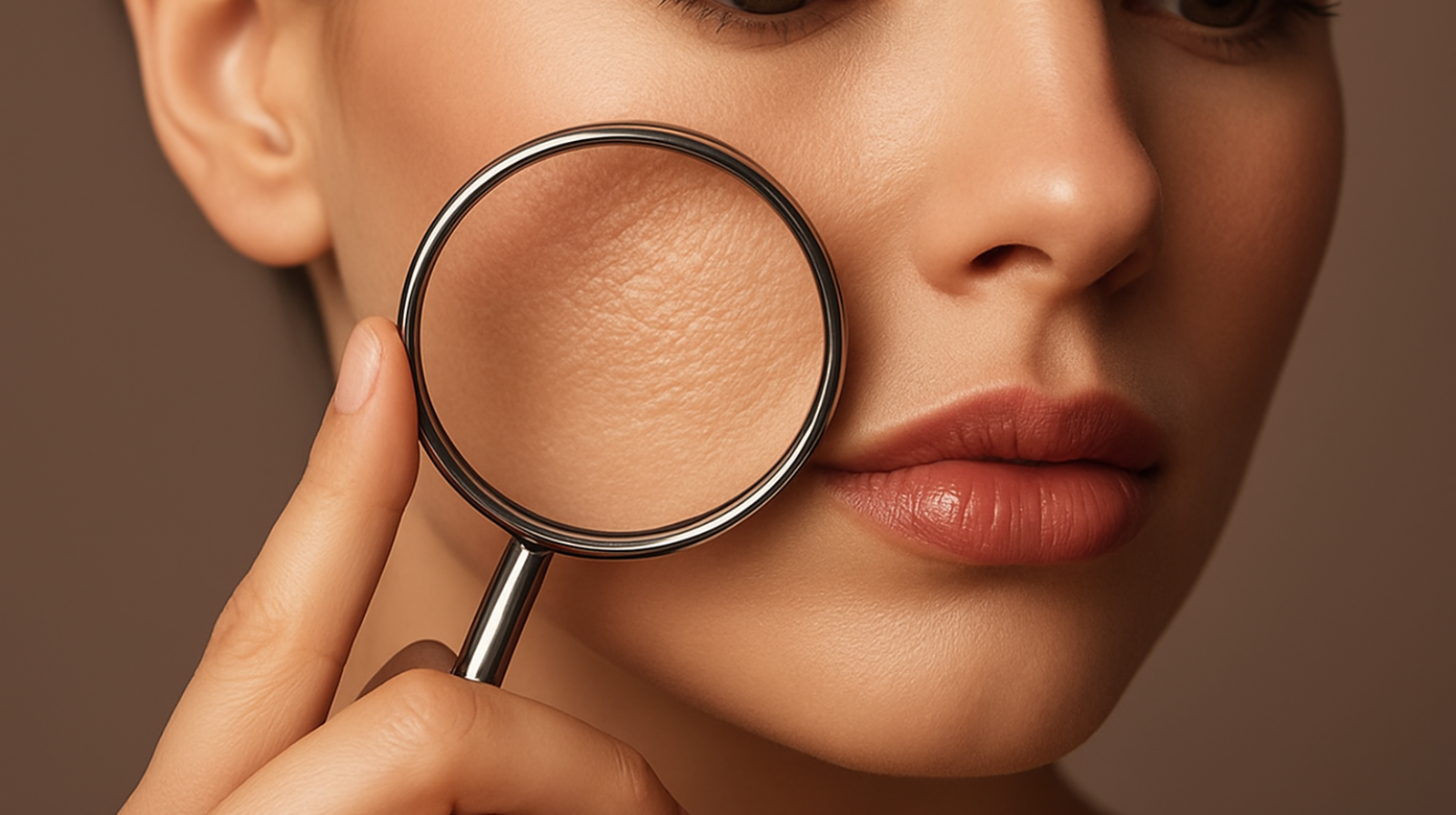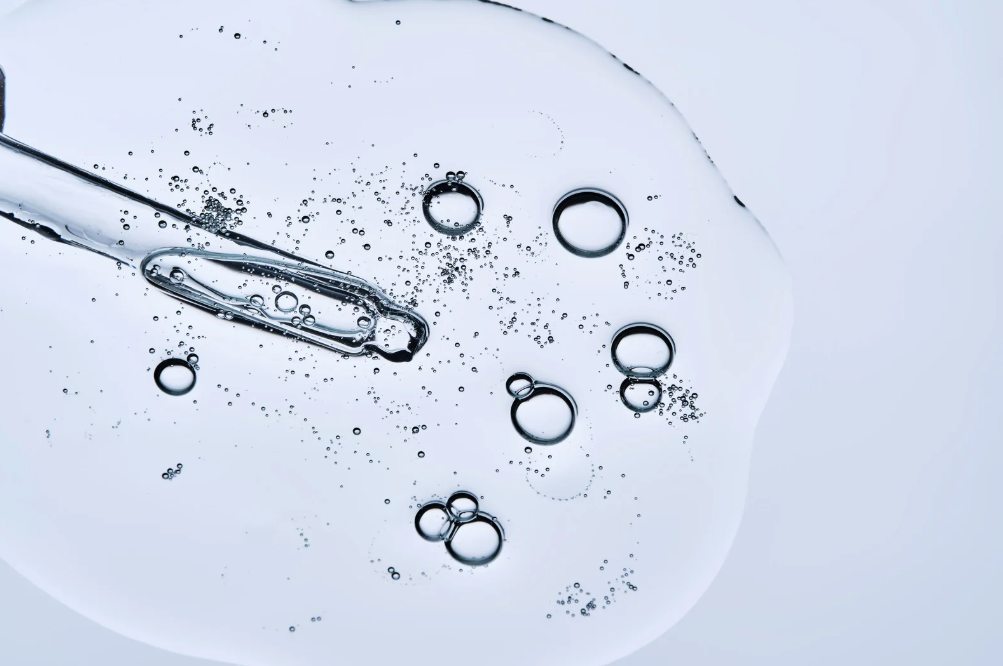

Great skin isn’t about the number of products you use; it’s about choosing the right ones. Many of us struggle with a “more is more” approach, layering multiple products without understanding how they interact, which often leads to irritation rather than results. Serums are highly concentrated treatments designed to address specific concerns by delivering potent active ingredients directly into the skin.
1. Hyaluronic Acid (The Hydrator)
Mechanism & Benefits: Hyaluronic acid is a humectant, meaning it acts like a sponge to pull moisture from the environment into the upper layers of the skin. It can hold up to 1,000 times its weight in water, instantly plumping the skin and reducing the appearance of dehydration lines.
Risks: In extremely dry climates, hyaluronic acid may draw moisture out of the deeper layers of your skin if there is no humidity in the air, leading to increased dryness.
Who Should Use/Avoid:
- Use: Ideal for all skin types, especially those with dry or dehydrated skin.
- Avoid: Generally safe for everyone, but those in desert climates should apply it to damp skin and seal it with a heavy moisturizer.
Routine Placement:
- Timing: AM and PM.
- Pairing: Pairs perfectly with almost any other active ingredient.
2. Niacinamide (The Balancer)
Mechanism & Benefits: Also known as Vitamin B3, niacinamide helps build keratin to keep skin firm and healthy. It regulates oil production, minimizes the appearance of pores, and strengthens the skin’s lipid barrier to lock in moisture.
Risks: High concentrations (above 10%) can cause redness or “purging” for those with very sensitive skin.
Who Should Use/Avoid:
- Use: Excellent for oily, combination, or acne-prone skin types looking for balance.
- Avoid: Those with a known Vitamin B allergy.
Routine Placement:
- Timing: AM or PM.
- Pairing: Often found alongside antioxidants or hyaluronic acid for a multi-tasking approach.
3. Antioxidants (The Protectors)
Mechanism & Benefits: Ingredients like Vitamin C or Ferulic Acid neutralize free radicals caused by UV exposure and pollution. They protect skin cells from oxidative stress, brighten the complexion, and prevent premature signs of aging.
Risks: Some antioxidants, particularly L-ascorbic acid, are highly unstable and can oxidize (turn brown), rendering them ineffective or irritating.
Who Should Use/Avoid:
- Use: Essential for city dwellers or anyone concerned with dullness and sun damage.
- Avoid: Those with active, open breakouts may find acidic antioxidants too stinging.
Routine Placement:
- Timing: Primarily AM to defend against daytime environmental stressors.
- Pairing: Always follow with SPF to maximize the protective benefits.
The Night Serum: Your Skin’s Healing Phase
It is a common mistake to skip treatment at night, but your skin heals and repairs itself most effectively while you sleep. Night serums are often formulated with ingredients that are light-sensitive or designed to support the skin’s natural regeneration cycle.
Common Misconceptions
- “More is Better”: Using five serums at once often dilutes the efficacy of each. Focus on 1-2 targeted concerns.
- “Serums Replace Moisturizers”: Serums deliver actives; moisturizers seal them in. You almost always need both.
- “Results are Instant”: Most serums require 4-6 weeks of consistent use to see a visible change in skin texture or tone.
About PrettyFormula
At PrettyFormula, we believe that true beauty is a blend of science and nature. Our philosophy is simple: focus on clean, effective ingredients that respect your skin’s natural balance. Whether you are nourishing from the inside with collagen or refining from the outside with serums, we help you achieve a radiant, healthy glow that lasts. Check us out on Pinterest.